
Drone Laws in Africa: What You Need to Know
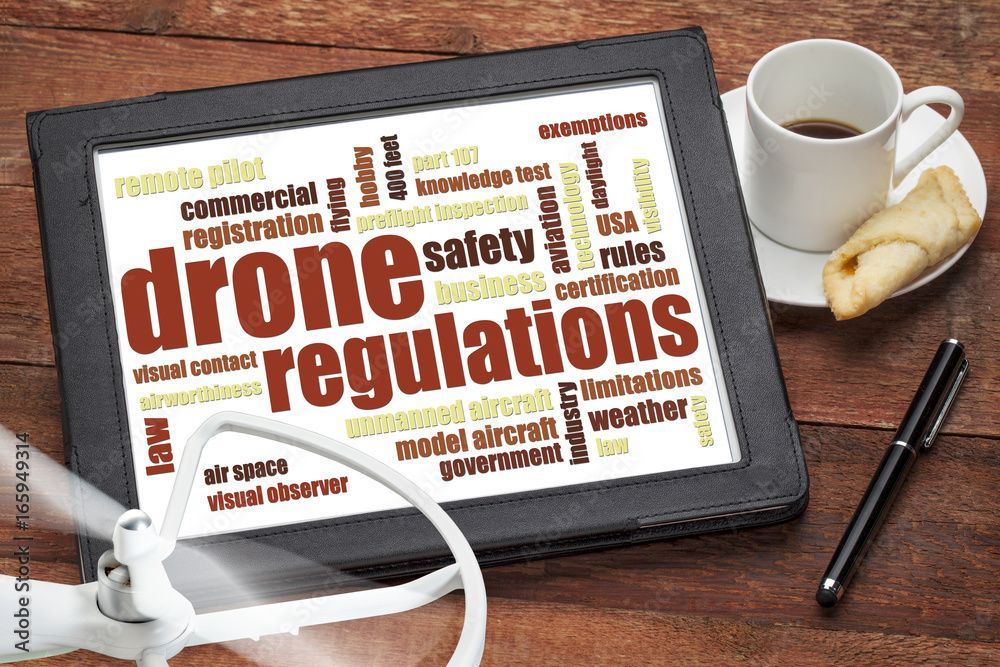
The African continent is a hotbed of innovation, and drones are at the forefront of this transformation. From inspecting vast solar farms to delivering critical medical supplies and mapping remote agricultural lands, the use of commercial drones is expanding rapidly. For any business looking to harness this technology, a thorough understanding of Africa’s diverse legal and regulatory landscape is not an option; it is essential for protecting your equipment and very survival.
This comprehensive guide is for all who manage drone operations, lead drone projects or have an interest in expanding into other African countries. We will go beyond a simple list of rules to provide a strategic overview of the three pillars of legal drone use in Africa: securing permits, mastering airspace rules, and practising robust operational safety. We will refer to the rules in some countries as a benchmark and provide practical insights for navigating regulations across the continent.
The Foundation of Legal Operation: Understanding Regulatory Pillars

For a commercial drone operation to be successful and sustainable in Africa, it must be built on a foundation of compliance. This can be broken down into three core pillars:
1. Securing Permits & Licenses: This involves obtaining the necessary certifications for both the pilot and the company, as well as registering the aircraft itself. These documents are proof that your operation meets national safety and training standards.
2. Mastering Airspace Rules: This involves understanding and strictly adhering to the regulations that govern where, when, and how you can fly. These rules are designed to prevent accidents and protect public safety.
3. Practising Operational Safety: This involves implementing a culture of safety within your organisation, from pre-flight checks to post-flight analysis, to mitigate risks and ensure every flight is conducted professionally.
Pillar 1: Securing Permits and Licenses for Commercial Success
Obtaining the right permits is the first and most critical step for any commercial drone operation. While the names and processes may vary, the goal remains the same: to demonstrate that you are a competent and responsible operator.
Navigating a Continent of Regulations
South Africa
South Africa's legal framework, managed by the South African Civil Aviation Authority (SACAA) under Part 101 of the Civil Aviation Regulations, is a model of clarity and stringency. Businesses looking to operate here must follow a clear pathway to compliance.
Essential Requirements:
1. Remote Pilot License (RPL): Every individual flying a commercial drone must hold an RPL. The licensing process is demanding, requiring a pilot to pass a series of theoretical and practical exams at an approved Aviation Training Organisation (ATO) and undergo a rigorous aviation medical examination.
2. Operator Certificate (ROC): This is a certificate issued to a company, not an individual. An ROC proves that your business has the required manuals, procedures, and safety management systems in place to conduct professional drone operations. It is the hallmark of a serious, compliant business.
3. Aircraft Registration (RLA): Every drone used for commercial purposes must be registered with the SACAA and carry a unique registration number. This ties the aircraft to a legal entity, ensuring accountability and transparency.
4. Air Service License: For businesses that offer commercial services, such as aerial photography or deliveries, a specific Air Service License is required. This is an additional level of regulatory oversight that proves the business is legitimate and insured.
Kenya, Nigeria, Tanzania, Ghana, Ethiopia
These countries have established aviation authorities that regulate drone use (KCAA, NCAA, TCAA, GCAA, ECAA). The standard requirements vary across, but typically include:
- Company and pilot permits.
- Drone registration.
- Passing licensing exams.
- Proof of liability insurance.
In some cases, securing specific approval for each flight is required.
Botswana, DR Congo
These nations have more open systems, but commercial operators are still required to register their drones and obtain the necessary permits. "Open" does not mean "unregulated"; it simply means the process may be less complex than in other countries.
Egypt, Morocco, Algeria
These countries maintain highly restrictive policies. Commercial drone use is often prohibited unless the relevant government agency permits it. Furthermore, simply importing or possessing a drone can be a serious offense. For any commercial project in these regions, seeking local, high-level permission is non-negotiable.
Pillar 2: Mastering Airspace Rules and Restrictions
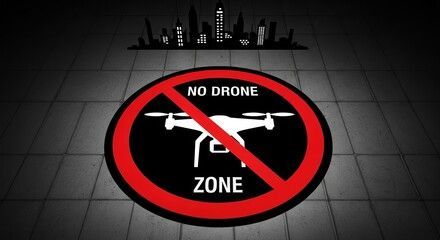
The second pillar of legal operation is adhering to the rules that govern the airspace. These rules are based on the fundamental need to protect property and the well-being of people.
General Airspace Restrictions
Most African countries enforce a version or variation of the following:
1. Visual Line of Sight (VLOS): You must keep your drone within your unaided visual line of sight at all times. Beyond Visual Line of Sight (BVLOS) operations are highly regulated and require specific permits.
2. Daylight-Only Operations: Commercial flights after sunset are generally prohibited without special approval. This rule is in place because visibility is reduced, increasing the risk of an accident.
3. Maximum Altitude: A strict altitude limit of 400 feet (120 meters) is enforced to prevent drones from interfering with manned aircraft. In South Africa, the limit in certain cases can be as low as 150 feet unless special permission is obtained.
4. Proximity to Airports: In South Africa, flying within 10 kilometers of any aerodrome or airport is strictly forbidden. Most other African countries enforce a similar 5km–10km buffer zone. For any flights near an airport, you must get explicit approval from Air Traffic Control (ATC).
No-Fly Zones and Protected Areas
Certain areas are off-limits to drones to protect security, privacy, and the environment. These No-Fly Zones include:
1. Military zones, police stations, courts, and government facilities.
2. Critical infrastructure, such as power plants and dams.
3. National parks and wildlife conservation areas, where drones can disturb animals.
4. Private property and crowded public spaces without prior consent.
The Consequences of Violating Airspace Rules
In many African nations, violating airspace rules is a serious offense. The penalties for illegal flying vary from potential fines to jail terms. Authorities are empowered to suspend a non-compliant commercial operator’s license in such situations..
Pillar 3: Safe Practices as a Business Imperative

A professional operator understands that legal compliance is a start. The third pillar is a proactive commitment to operational safety, which protects your team, your clients, and your business from risk.
A Professional Pre-Flight Checklist:
1. Equipment Inspection: Before every flight, conduct a thorough inspection of your drone. Check propellers, battery levels on both the drone and the controller, and ensure all systems are functioning properly.
2. Weather Assessment: Check weather conditions, particularly wind speed, as it can impact a drone's stability and battery life.
3. Flight Plan and Site Survey: Plan your flight path and conduct a physical site survey to identify hazards, such as power lines, trees, and other obstacles.
In-Flight Operational Discipline
1. Maintain VLOS: Always keep your drone in visual line of sight. Always be aware of your surroundings and prepared to take manual control if needed.
2. Yield to Manned Aircraft: Drones must immediately yield to all manned aircraft. If you see a plane or a helicopter, land your drone immediately.
3. Respect Privacy: Do not fly over private property or record individuals without their express consent. Privacy violations can lead to legal action and damage your reputation.
4. Avoid Crowds: Drones must be flown at a minimum distance of 50 meters from people, vehicles, and structures unless you have specific approval.
Robust Record-Keeping
1. Flight Logs: Maintain a detailed log of every flight, including date, time, location, and purpose. This is a GCAA requirement for professional operators in Ghana and demonstrates responsible airmanship worldwide.
2. Maintenance Records: Keep detailed records of all drone maintenance and repairs.
3. Incident Reports: If an incident occurs, document it immediately and report it to the relevant authorities if required by law.
Strategic Tips for Commercial Operators
1. Do Your Research: Regulations change rapidly. Always visit the official aviation authority's website before a project.
2. Apply Early: Permitting is a time-consuming process. Factor this into your project timelines.
3. Carry Documentation: Always have copies of your permits, licenses, insurance, and flight plans with you.
4. Engage Authorities: Establish and maintain relationships with regulators and local air traffic control authorities. They can provide guidance and help with project approvals.
5. Join Industry Groups: Networking with other commercial operators helps you stay updated on compliance changes and share best practices.
Conclusion
Africa's drone transformation is underway, and UAVOps is designed to be your compliant partner on the front line.
Don't just observe industry growth, lead it.
By partnering with UAVOps, you instantly secure the unmatched qualifications, uncompromising safety protocols, and deep technical expertise needed to navigate. Your success depends on compliance, safety, and reliability.
Choose UAVOps to ensure your project delivers on all three key objectives.