
Drones in Africa: Are They Worth It? Real Economic Value Across Agriculture, Healthcare, Mapping, and Security
A decade ago, the idea of unmanned aircraft quietly transforming African economies sounded like speculative tech hype. Today, drones are flying over farms, cities, mines, and medical corridors, doing work that once took weeks, entire teams, or simply never happened at all. Across the continent, Unmanned Aerial Vehicles (UAVs) are no longer novelty tools or pilot projects—they are becoming operational infrastructure. The real question is no longer whether drones can work in Africa, but whether their value justifies the investment. When measured against time saved, costs reduced, and lives impacted, the answer becomes difficult to ignore.
Drones are reshaping how African businesses and governments move goods, collect data, respond to emergencies, and manage land. From precision agriculture to last‑mile healthcare delivery, UAV technology is filling gaps left by weak infrastructure, vast terrain, and limited resources. To understand whether drones are truly “worth it,” it is essential to look beyond excitement and into the numbers, the use cases, and the outcomes already unfolding across key sectors.
Market Growth and Economic Impact of Drones in Africa
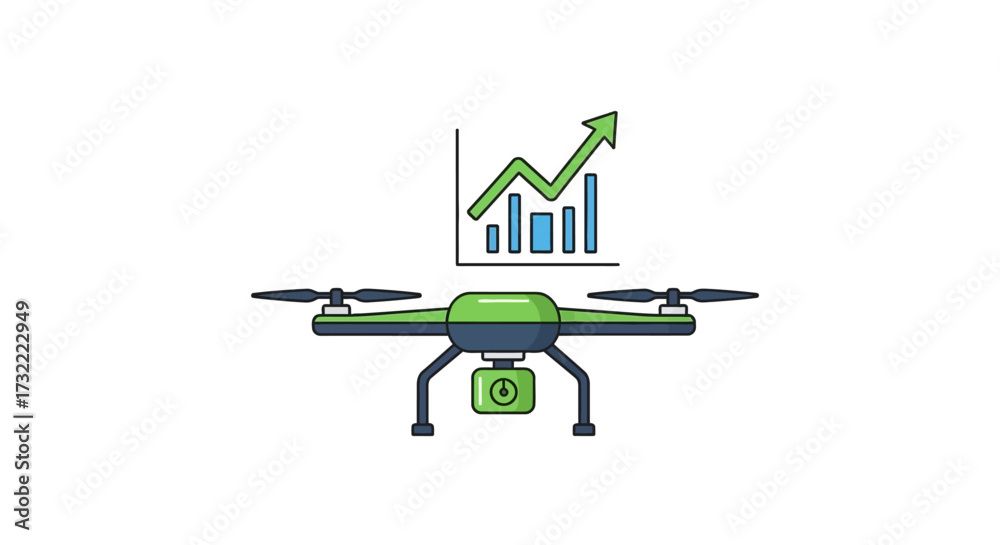
Africa’s drone industry is expanding at a pace that reflects both technological maturity and urgent demand. The continental drone market is projected to grow from approximately $1.77 billion in 2025 to $9.26 billion by 2030, a signal of increasing adoption across commercial and public sectors. In Nigeria alone, drone operations are expected to contribute more than $2 billion annually to the economy, driven by agriculture, logistics, energy, and security applications. South Africa is already seeing measurable employment growth linked to UAV services in farming, healthcare delivery, mining operations, and geospatial services.
This growth is not speculative. It is grounded in real operational value. Drones reduce reliance on slow ground transport, replace expensive manned aircraft, and generate data that would otherwise be inaccessible. In regions where distance, terrain, and cost have historically constrained development, UAVs are emerging as force multipliers—small tools with outsized economic impact.
Where Drones Deliver Measurable Value
Agriculture and Precision Farming
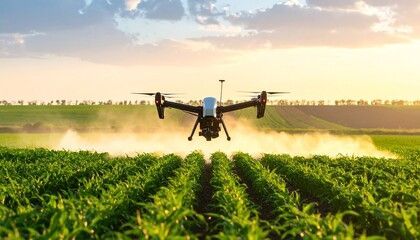
Agriculture remains one of the most powerful examples of drone value in Africa. Precision farming drones now assist with crop spraying, field monitoring, and yield optimization, allowing farmers to apply fertilizers and pesticides only where needed. This targeted approach improves crop health while significantly reducing chemical waste and labor costs. Platforms such as the Agras T25 and T50, deployed by operators like UAVOps, are already being used across large farmlands for spraying and crop management.
For farmers in Ghana and Nigeria, drone adoption has translated into healthier crops, lower input costs, and improved yields. Beyond spraying, aerial monitoring enables early detection of crop stress, pest infestations, and irrigation issues—interventions that would be impossible to scale manually across large acreage. In a sector where margins are tight and losses are common, drones are shifting farming from reactive to data‑driven decision‑making.
Healthcare and Emergency Logistics
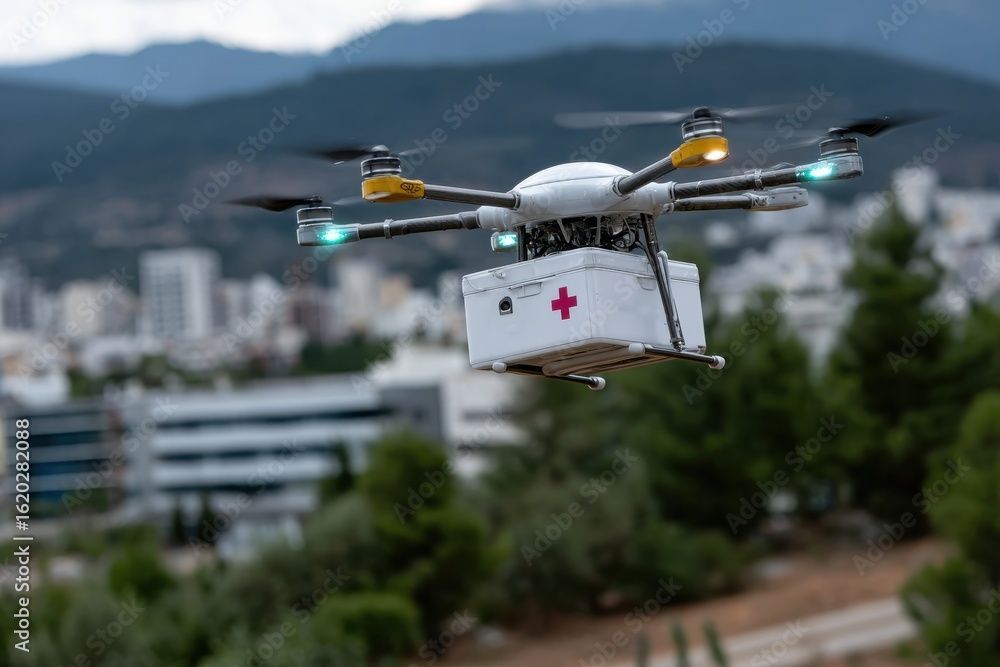
In healthcare, drones have proven their worth not just in efficiency, but in lives saved. Last‑mile delivery drones now transport vaccines, blood supplies, and essential medicines to remote communities where road access is unreliable or nonexistent. Rwanda’s partnership with Zipline stands as a benchmark, with over one million emergency medical deliveries completed and dramatic reductions in delivery times.
During natural disasters, floods, and COVID‑19 lockdowns, drones maintained supply chains when traditional transport systems failed. By bypassing damaged roads and congested routes, UAVs ensured continuity of care and rapid emergency response. In regions where minutes can determine survival, drones are redefining what healthcare access looks like.
Infrastructure, Mapping, and Urban Planning
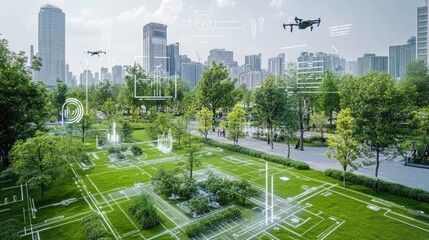
Drones are also transforming how African cities and governments understand and manage land. Aerial surveys that once required weeks of fieldwork can now be completed in hours, producing high‑resolution, GIS‑ready data for planners, engineers, and policymakers. This speed and accuracy are critical as African cities expand rapidly and infrastructure demands grow.
Governments in countries such as Kenya and Ghana are using drone data for cadastral mapping and land digitization, helping to resolve long‑standing land disputes and modernize property registration systems. Accurate maps support better urban planning, infrastructure development, and investment decisions—areas where outdated or incomplete data has historically slowed progress.
Mining, Energy, Security, and Conservation
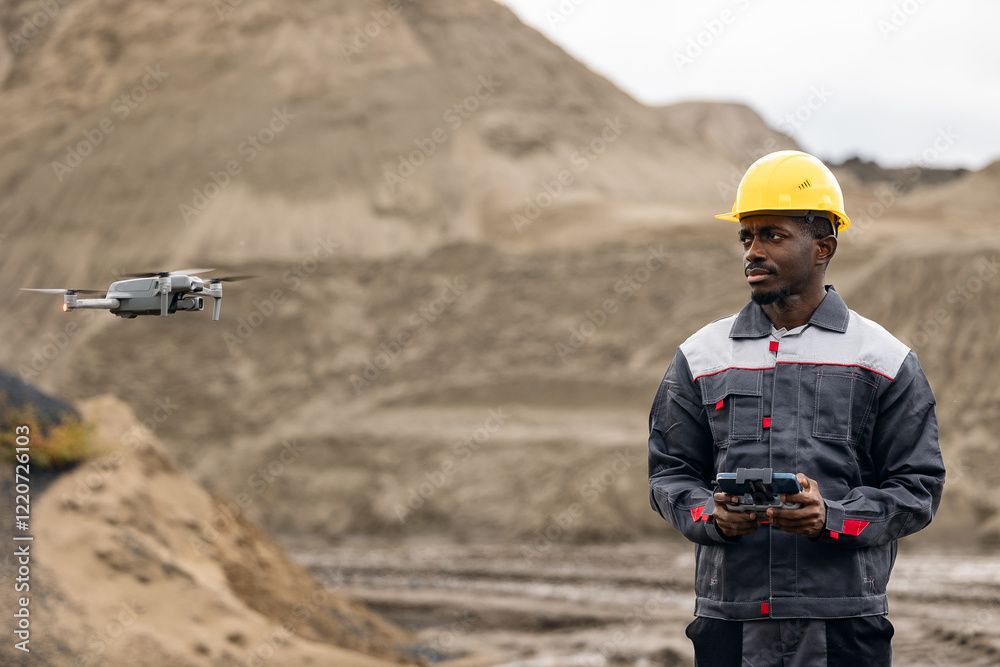
In mining and energy, drones enhance both safety and efficiency. UAVs conduct site inspections, monitor stockpiles, and survey hazardous areas without exposing workers to risk. Inspections that once required shutdowns or dangerous manual checks can now be completed quickly and safely from the air.
Beyond industry, drones are increasingly used in conservation and law enforcement. Wildlife protection agencies deploy UAVs to patrol national parks, monitor animal movements, and deter poaching. Law enforcement agencies use aerial surveillance to improve situational awareness in urban environments. In several regions, these applications have contributed to reduced poaching incidents and improved public safety outcomes.
Challenges Slowing Widespread Adoption

Despite their value, drones are not without barriers. Entry costs remain a challenge for small businesses, particularly when advanced sensors and specialized platforms are required. Regulatory environments also vary widely across African countries, often involving complex licensing processes and restricted airspace access that can slow deployment.
There is also a growing skills gap. Scaling the drone industry will require trained pilots, data analysts, maintenance technicians, and informed regulators. Without investment in local capacity building, the full economic potential of UAV technology risks being underutilized.
Are Drones Worth It?
When evaluated through the lens of outcomes rather than novelty, drones in Africa are proving their worth across multiple industries. They are no longer experimental tools or future promises—they are working systems delivering measurable returns. From reducing crop losses and improving healthcare access to modernizing land management and enhancing security, UAVs are addressing some of the continent’s most persistent challenges.
As drone technology becomes more affordable and regulatory frameworks mature, adoption is set to accelerate. For many African organizations, the question is no longer whether drones are worth the investment, but how long they can afford to operate without them. In an environment defined by scale, distance, and urgency, drones are not just useful—they are becoming essential.