
How Construction Teams Use Drones to Speed Up Site Work
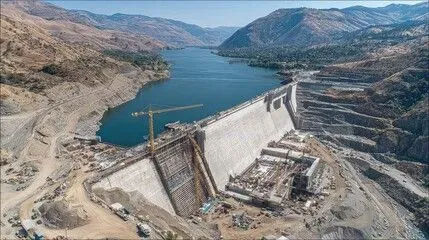
With the rapid growth of digital innovation, the construction industry is under constant pressure to deliver projects faster, safer, and more efficiently. Drones have emerged as one of the most transformative tools in construction site management.
They are revolutionizing how teams monitor progress, identify delays, verify fieldwork, and boost productivity.
This article shows how drones are reshaping construction workflows—from earthworks to structural verification —and why Ghanaian contractors increasingly depend on UAVOps for reliable, measurable insights.
Drone Technology: Powering a New Era in Construction
Aerial Insights at Unprecedented Speed

Traditional methods for surveying and inspecting construction sites are time-consuming and labour-intensive. Drones, also known as Unmanned Aerial Vehicles (UAVs), allow construction teams to collect high-resolution aerial Orthomosaics, create accurate 3D models, and produce Digital Terrain Models (DTMs) and Digital Surface Models (DSMs) in a fraction of the time.
A single drone can survey a large jobsite in minutes, providing survey-grade data that would otherwise take days to collect or involve measurement inconsistencies and safety risks.
Use Cases
● Progress Tracking:
Regular drone flights capture comprehensive visual and geospatial overviews of the site, enabling objective, block-by-block assessments of completed work against project milestones.
● Delay & Issue Detection:
Advanced imaging and analytics quickly highlight deviations, grading errors, slab misalignment, overcuts/undercuts, and slow-moving subcontractor zones, and potential safety risks before they become major problems.
● Remote Monitoring:
Project managers, stakeholders, and clients can review site status from anywhere, reducing the need for routine in-person visits.
How Drones Accelerate Construction Site Work
1. Tracking Progress with Precision
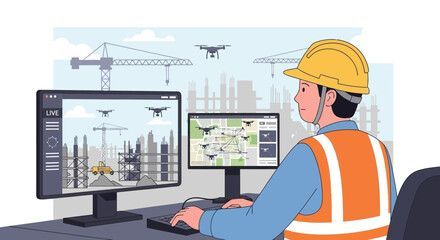
Traditional progress tracking often relies on manual inspections, paper documents, and subjective reports. In contrast, drones automate documentation with timestamped, georeferenced Orthomosaics, 3D models, cut-fill analyses, and progress overlays.
These datasets integrate easily with Building Information Modeling (BIM) platforms and project management software, providing clear evidence-based documentation for every phase of construction.
● Site Surveys:
These drones generate precise maps and measure material volumes accurately, enabling survey-grade quantity tracking for earthworks, concrete pours, and stockpiles.
● Slab Placement Verification:
Weekly aerial surveys confirm the correct placement and alignment of footings, slabs, and other structural elements, thereby preventing costly errors. Drone models also help detect formwork drift, reinforcement misalignment, and elevation inconsistencies before concrete is poured.
2. Spotting Delays and Preventing Rework
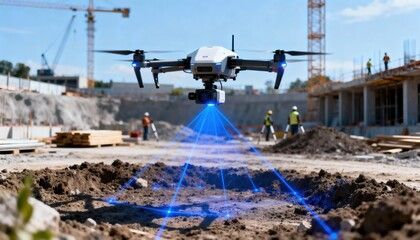
Delays can be devastating to construction budgets and timelines. Drones enable teams to identify early signs of trouble, such as misaligned foundations, missing materials, or unexpected site conditions.
They also detect equipment idle zones, subcontractor underperformance, and discrepancies between planned vs. actual progress.
Early detection enables teams to address issues proactively, thereby reducing the risk of costly rework.
● Time-lapse imaging:
Visual records of progress over days or weeks help teams compare schedule targets against real activity and identify slow zones or stalled work.
● Automated Reports:
AI-powered drone systems analyze site imagery for discrepancies, generating alerts about possible delays, incorrect elevations, missing structural elements, or quality deviations.
3. Reducing Site Visits Through Remote Oversight

Frequent site visits are costly in both time and travel expenses, and can expose workers to dangerous conditions. Drones deliver high-definition geospatial datasets and site-wide tours that stakeholders can review remotely, minimizing the need for physical presence on site.
● Enhanced Safety:
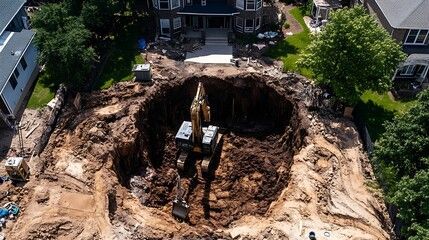
Inspections of dangerous, hard-to-reach areas such as rooftops, high scaffolding, or deep excavations can be conducted with a drone, improving worker safety and reducing risk.
● Environmental Impact:
Fewer site visits mean lower carbon emissions and more sustainable construction operations.
4. Data-Driven Collaboration and Documentation
Drones are valuable for project documentation and resolving disputes. Their objective, time-stamped data can settle claims and clarify responsibilities among contractors, clients, and regulators.
● Stakeholder Communication:
Visual updates keep all parties informed, improving transparency and speeding up approvals or payments.
● Integration with BIM:
Drone data feeds directly into BIM platforms, ensuring up-to-date orthomosaics, 3D models, and deviation maps for planning, change orders, and verifying progress.
Quantifiable Benefits of Drones in Construction
The business case for using drones is clear and strong:
● Time Savings:
Drone surveys are up to 100–200 times faster than traditional methods, completing in hours rather than days or weeks.
● Cost Reduction:
Drones can cut total project costs by up to 25%, primarily by reducing labor for surveying and inspections, and by preventing errors.
● Accuracy:
Modern drones achieve centimeter-level precision, which supports better material quantity estimates and quality assurance.
● Safety Improvement:
Using drones for inspections can reduce risk exposure by 50–70%, eliminating the need for scaffolding and ladders in hazardous zones.
Real-World Case Studies
● Large Earthworks Project:
An infrastructure contractor used drones to monitor cut-and-fill operations. Real-time aerial imagery enabled accurate volumetric calculations, prevented over- or under-excavation, and generated billing documents. This resulted in significant savings and multiple days of rework avoided.
● Commercial Building Construction:
A general contractor used weekly drone flights to capture project progress and generate reports for stakeholders. This cut down on unnecessary site meetings, accelerated consultant approvals, and built client trust through transparent visual documentation.
Challenges and Solutions
While drones offer major benefits, their adoption involves legal, logistical, and technical considerations:
● Regulatory Compliance: Operators must follow local aviation regulations, which may restrict flight altitude, zones, and data usage.
● Data Management: The large volume of imagery, 3D models, and Orthomosaics collected requires efficient solutions for storage, processing, and sharing.
● Skill Requirements: Teams need training to pilot drones and accurately interpret the survey data. Progressive companies address these challenges by investing in certified drone operators, using cloud-based tools for data management, and staying informed about changing regulations.
The Future of Construction Drones
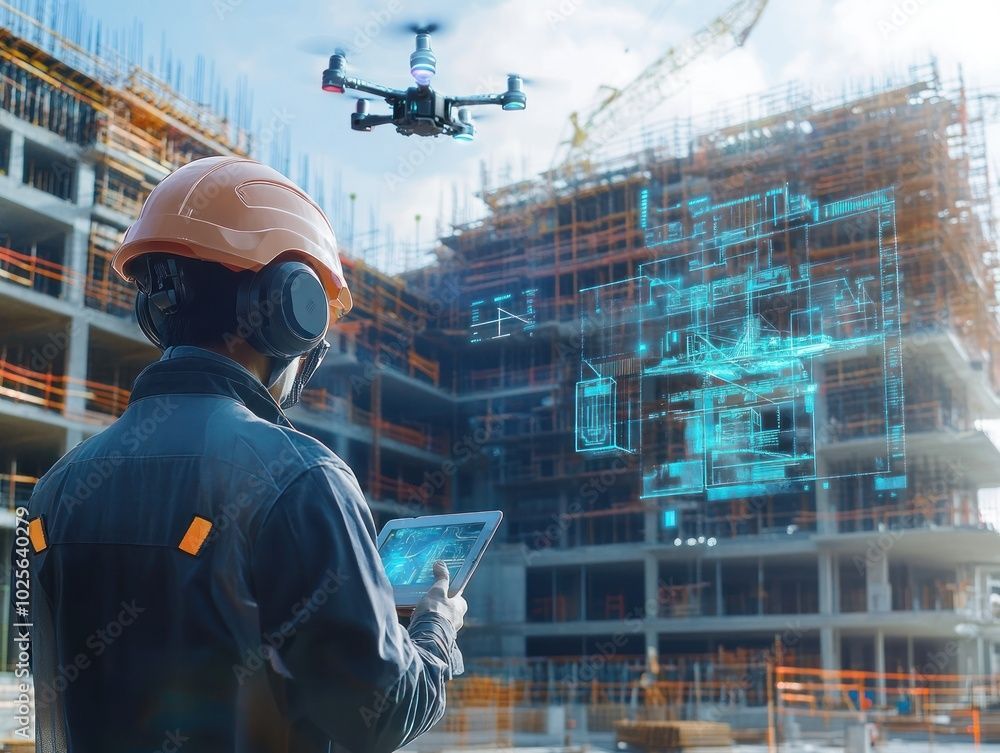
Advances in AI, machine learning, and sensor technology are rapidly expanding the value of drones in construction:
● Automated Site Analysis:
AI-powered drones can scan sites, analyze progress, and identify issues automatically without human help.
● Thermal Imaging:
Drones equipped with thermal sensors can detect insulation defects, water leaks, and electrical faults more safely and accurately than manual inspections.
● Integrated Cloud Collaboration:
Cloud-based platforms make project data instantly accessible to team members anywhere, improving communication and decision-making.
Conclusion
Drones have fundamentally changed how construction teams track progress, identify delays, and reduce costly site visits. By delivering fast, accurate, and actionable data, drones empower contractors to build smarter, faster, and safer, earning a reputation for reliability and efficiency.
As drone technology accelerates and becomes standard across Ghana’s construction sector, companies that adopt drone-powered workflows gain a clear advantage, fewer delays, better visibility, stronger documentation, and improved project outcomes.
Drones are no longer a luxury in the construction sector, but a means to stay competitive!