
Industrial Inspections: Caged Drones Reduce Outage Risk at Power Stations
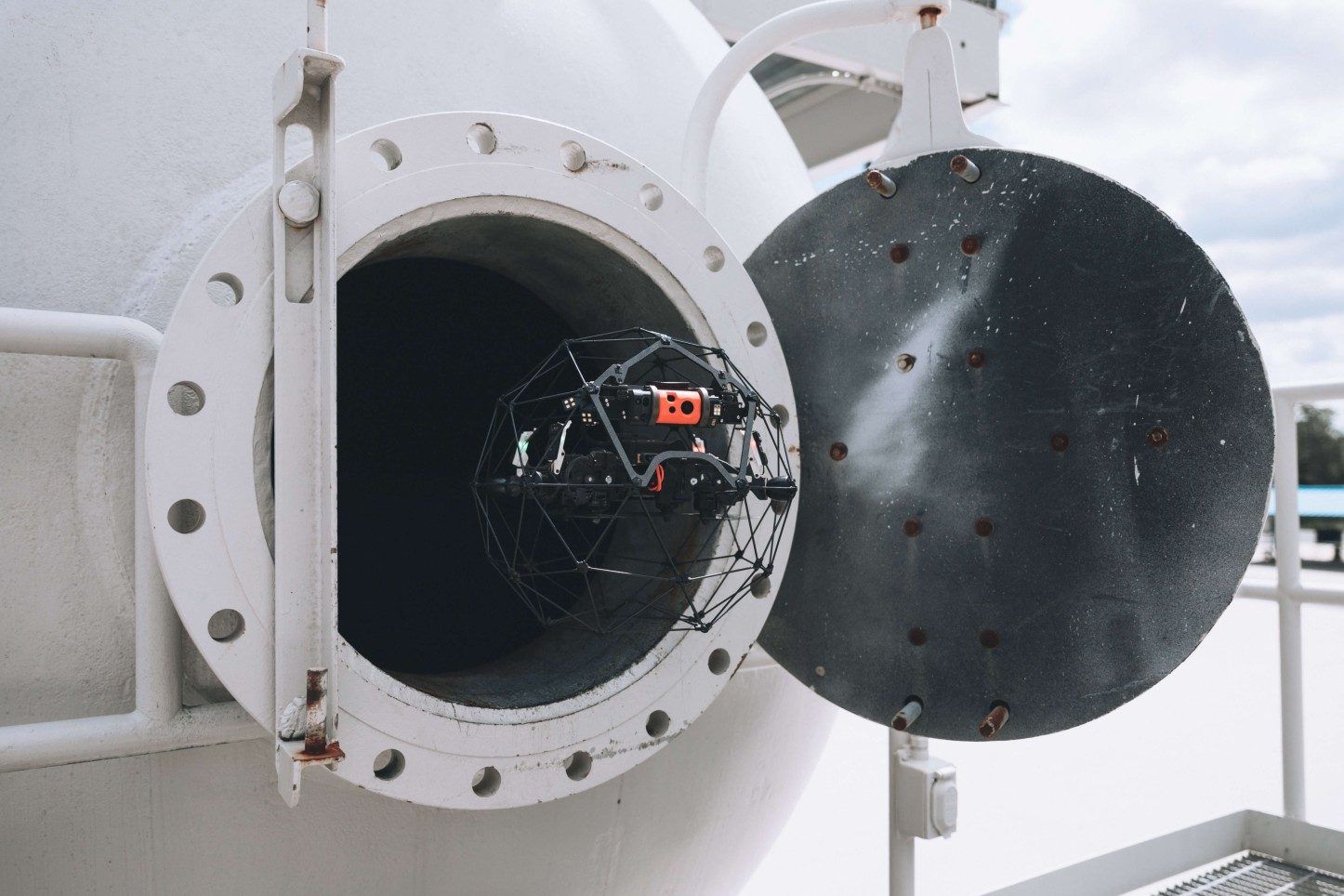
In a major step forward for industrial asset inspection, Steinmüller Africa is expanding its inspection capabilities with Elios 3 caged drones, which are improving safety, cutting operational risk and reducing maintenance downtime across power stations and other critical infrastructure. The drone’s advanced technology is helping utility and engineering teams gather richer inspection data, minimise outages and avoid costly physical access methods like scaffolding and rope access.
The move to drone-based inspection reflects a broader shift in industrial maintenance toward digitised, remote, and data-driven asset management — particularly where confined spaces or hazardous conditions have previously slowed work and increased risk.
Safer, Faster Inspections With Caged Drone Technology
Steinmüller Africa’s fleet upgrade centres on the Elios 3, a robust indoor drone equipped with a protective carbon-fibre cage that allows it to operate safely in confined, cluttered and hazardous environments. This structural design gives the drone 360-degree collision tolerance, letting operators navigate complex areas such as boilers, ducts or enclosed tanks without damaging the vehicle or risking personnel.
Industry engineers have long faced the dilemma of inspecting internal power station infrastructure — such as furnace walls, boiler internals or turbine halls — without exposing workers to danger or forcing prolonged plant outages. Traditional methods often demand extended shutdowns, build expensive scaffolding or involve rope access teams trained to enter confined spaces under strict safety protocols. But Elios 3’s remote inspection capabilities eliminate many of these requirements.
According to Carel van Aswegen, Group QC/NDT Manager at Steinmüller Africa, the drone’s use has reduced inspection downtime by up to 50 percent in some situations. The technology enables inspections once assets cool below critical temperatures — such as around 50 °C — without waiting for human entry permits or erecting access infrastructure.
High-Resolution Data and Digital Asset Insights
Beyond physical access, the Elios 3 also brings digital depth to industrial inspection. It integrates LiDAR scanning, thermal sensors, high-resolution imagery and advanced navigational systems that produce detailed visual and spatial data — including 3D mapping and digital twins of inspected areas. This transforms what had been subjective visual checks into precise, repeatable digital datasets that can inform better maintenance decisions.
Real-time data streaming enables inspectors to monitor live feeds from inside confined spaces, making it easier to identify issues such as cracks, corrosion or overheating before they develop into major failures. The drone’s stabilisation and navigation systems also allow for autonomous or semi-autonomous flight in GPS-denied environments — a crucial advantage in enclosed industrial settings.
Reducing Cost, Risk and Downtime
The economic and safety benefits of drone-based inspections are clear. By reducing or eliminating the need for scaffolding and rope access teams, operators save on labour, equipment rental and operational overheads. Moreover, keeping inspectors on the ground and out of hazardous spaces aligns with modern safety practices and reduces the potential for workplace accidents.
Comparable industry deployments reinforce this trend. Case studies show that similar drone inspection programs can reduce associated costs by 20 percent or more compared to traditional methods, while accelerating inspection timelines. Though not specific to Steinmüller Africa, such findings demonstrate the broader viability of remote inspection platforms in energy and heavy-industry sectors.
Broader Market Adoption and Industrial Trends
Steinmüller Africa isn’t alone in adopting drone-based inspection technologies. Across global industry sectors, companies are investing in UAV platforms for tasks previously considered too risky or time-intensive for human teams. For example, advanced drone inspections have been trialled for confined space work at automotive manufacturing plants and on structural inspections at power facilities in Europe.
These trends highlight how Industry 4.0 technologies such as drones, sensors and digital mapping are reshaping maintenance, safety and asset management across heavy industries. Remote inspection tools are increasingly seen as strategic investments that can boost productivity, strengthen compliance and enhance safety culture.
Future Outlook for Drone-Driven Inspections
Looking ahead, the integration of drones like Elios 3 into routine inspection workflows suggests a future where inspections are shorter, safer and more data-driven — enabling asset owners to minimise outages and manage risk with greater confidence. As technology evolves, drones may also be paired with AI-based analytics to automate defect detection or inform predictive maintenance strategies.
For power station operators and industrial maintenance providers, the growing adoption of caged inspection drones promises not just incremental improvements, but transformational change in how maintenance work is planned and executed. With demonstrated gains in safety, efficiency and cost control, drone inspection technology is setting a new standard for industrial asset care.
Source: Instrumentation & Control (July 2025) —Industrial inspections: caged drones reduce outage risk at power stations . instrumentation.co.za