
Innovative Drone Meter Reading Boosts Utility Resilience in Accra
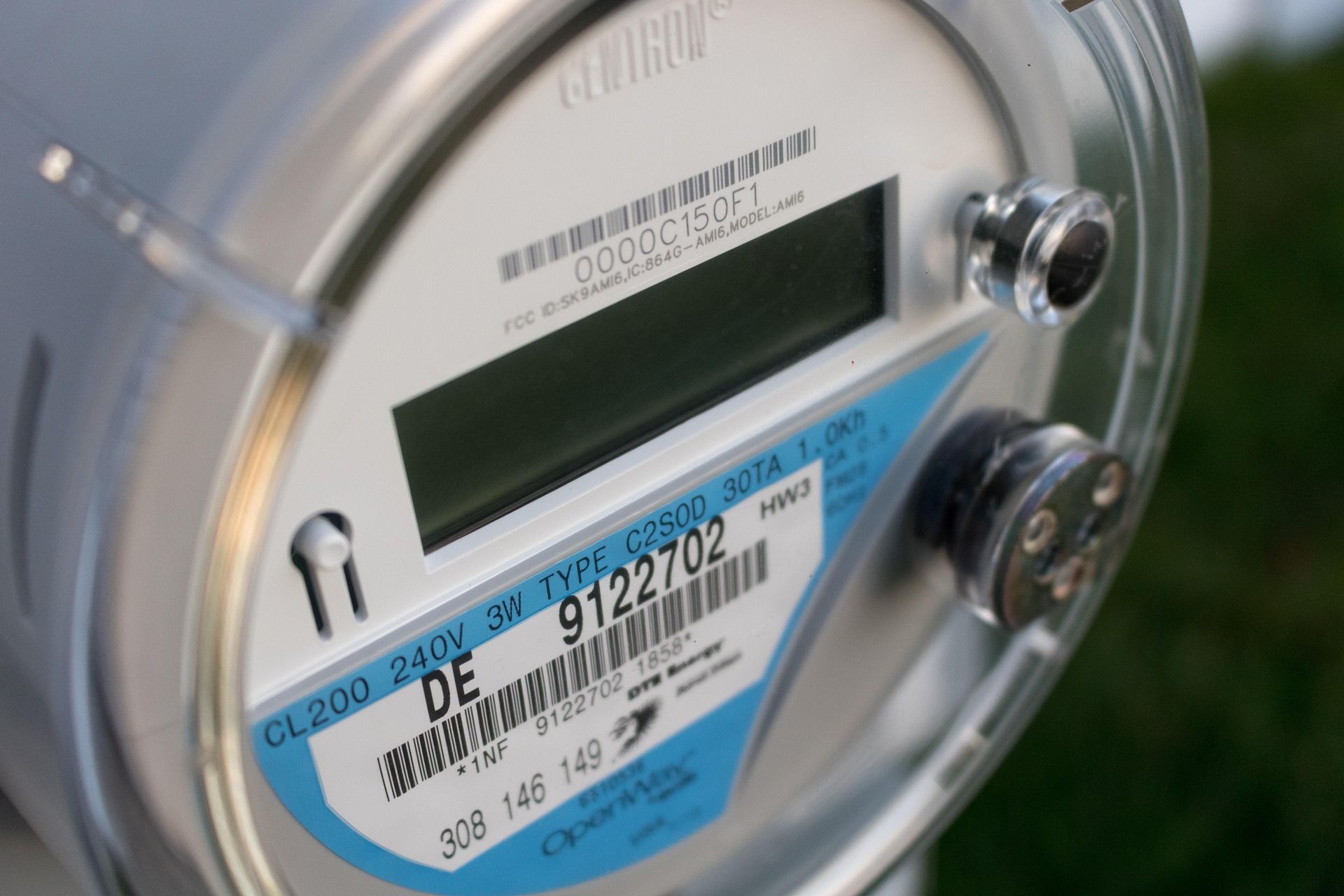
Ghana Water Limited (GWL) is charting a new course in utility management by integrating drone technology into water meter reading and disaster response operations in Accra’s flood-vulnerable communities. A recently published study in the ASRIC Journal of Engineering Sciences reveals that unmanned aerial vehicles (UAVs) can significantly enhance meter reading speed, accuracy and safety — particularly during flooding events — while offering a scalable roadmap for broader implementation.
The research, led by Ghana Water Limited engineers, was conducted in Tetegu, a coastal community in the Greater Accra Region that experiences regular flooding due to its low-lying topography and proximity to the Densu River. Traditional manual meter reading in such environments is slow, labour-intensive and often dangerous when heavy rains cut off road access. GWL’s pilot project attaches a converter and mobile device to a drone, enabling the UAV to “fly by” meters and capture consumption data remotely.
Dramatic Efficiency Gains
According to the ASRIC study, the drone setup read 553 meters in just 15 minutes — a job that could take field crews five to seven days under conventional methods. Data collected showed an almost perfect correlation with manual reads, with an R² value of 0.9897, demonstrating both precision and reliability.
This leap in operational efficiency holds promise not only for billing accuracy but also for strengthening utility revenue streams. Accurate and timely meter readings are fundamental to fair billing and revenue protection. In disaster scenarios such as floods, traditional in-person reads can be delayed or impossible, leading to lost revenue and billing backlogs. The drone-based approach helps close that gap by ensuring continuity of data collection even when roads are impassable.
Enhancing Safety and Worker Protection
Beyond efficiency, the technology greatly improves worker safety. Flooded streets and unstable ground increase the risk of accidents for field personnel tasked with traditional meter reading. By allowing technicians to operate from a safe distance, drones reduce these hazards while maintaining service continuity.
Drone-assisted metering also mitigates other challenges of manual reading in urban settings, such as restricted access to gated properties and dense infrastructure. These limitations have historically slowed field operations and created opportunities for billing inaccuracies. A remotely controlled UAV equipped with advanced metering infrastructure circumvents many of these constraints.
A Roadmap for Deployment
The ASRIC research goes beyond the pilot data to offer a strategic roadmap for implementing drone-assisted meter reading across Greater Accra and potentially nationwide. Key considerations include integrating the captured data into digital billing systems, regulatory compliance with Ghana Civil Aviation Authority (GCAA) standards, and infrastructure upgrades to support advanced meter reading (AMR) technologies.
Recommendations stress that even on dry days, periodic drone meter readings could serve as a cross-check against traditional field reads, enhancing overall data quality. Further, the study suggests collaboration with drone manufacturers to design devices optimized for meter-reading payloads, a step that could streamline future operations.
Context: Digital Water Metering in Ghana
GWL’s pilot aligns with broader shifts toward digital and smart metering in the utility sector. According to global case studies, smart metering solutions — including ultrasonic meters that transmit data remotely — have helped reduce non-revenue water and improve billing performance in parts of Ghana. In communities like Tetegu, drones have been used to read such ultrasonic meters, demonstrating how emerging technologies can address infrastructure challenges in historically hard-to-reach areas.
These innovations arrive amid wider challenges for Ghana’s water sector. Recent enforcement campaigns uncovered thousands of illegal water connections across Accra-Tema metropolitan areas, undermining revenue and distorting service delivery. GWL has intensified efforts to clamp down on bypasses, meter theft and unauthorized connections, showing that accurate metering — including through new technologies — is central to strengthening utility systems.
Drone Use Beyond Meter Reading
The use of drones for municipal services is gaining traction in Ghana. For example, local government authorities under the Greater Accra Resilience and Integrated Development (GARID) project have deployed drones to monitor flood risk, solid waste and land encroachment, demonstrating the broad applicability of UAV technology for disaster management and urban planning.
Industry and Stakeholder Support
The Ghana Civil Aviation Authority (GCAA) has been instrumental in training local officials and setting operational frameworks for drone use. As drone technology becomes more embedded in utility and public service functions, regulatory oversight and public-private collaboration will be critical to maximize benefits while ensuring safety and compliance.
Looking Ahead
As Ghana Water Limited evaluates next steps, scaling drone-assisted meter reading could become a model for other utilities in West Africa facing similar challenges. Integrating UAV technology with smart meters and digital billing platforms could modernize utility management, enhance disaster resilience, and protect revenue streams while delivering more reliable services to customers.
With growing climate-driven risks like flooding intensifying service delivery constraints, the utility sector’s embrace of drones marks a significant step toward smarter, safer, and more efficient operations in Ghana and beyond.
Source: ASRIC (Feb 2025, PDF) —Utilities explore drones for meter reading and disaster response in Accra . asric.africa