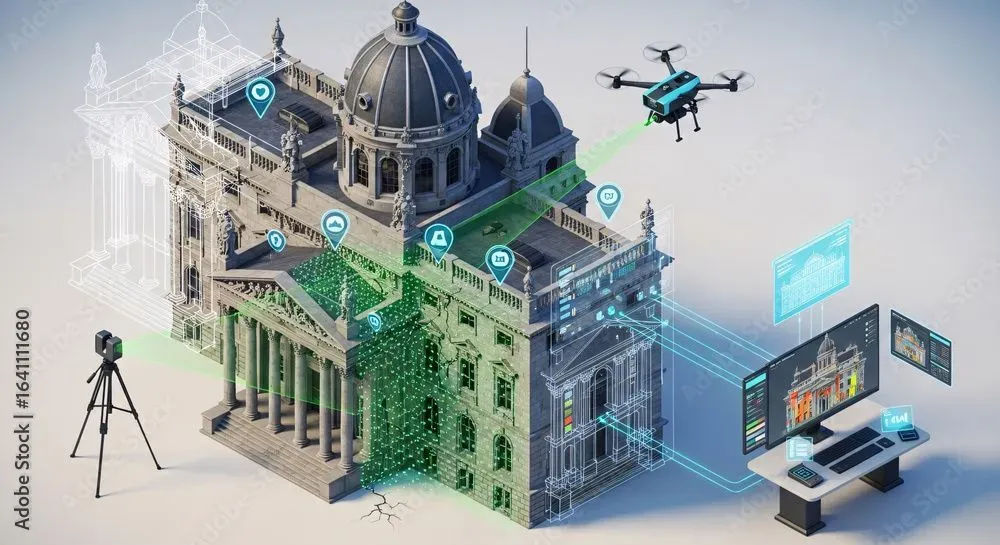
Explore UAVOps' library of industry insights, client success stories, and actionable guides designed to help you get the most from aerial data.

Latest Blog Posts
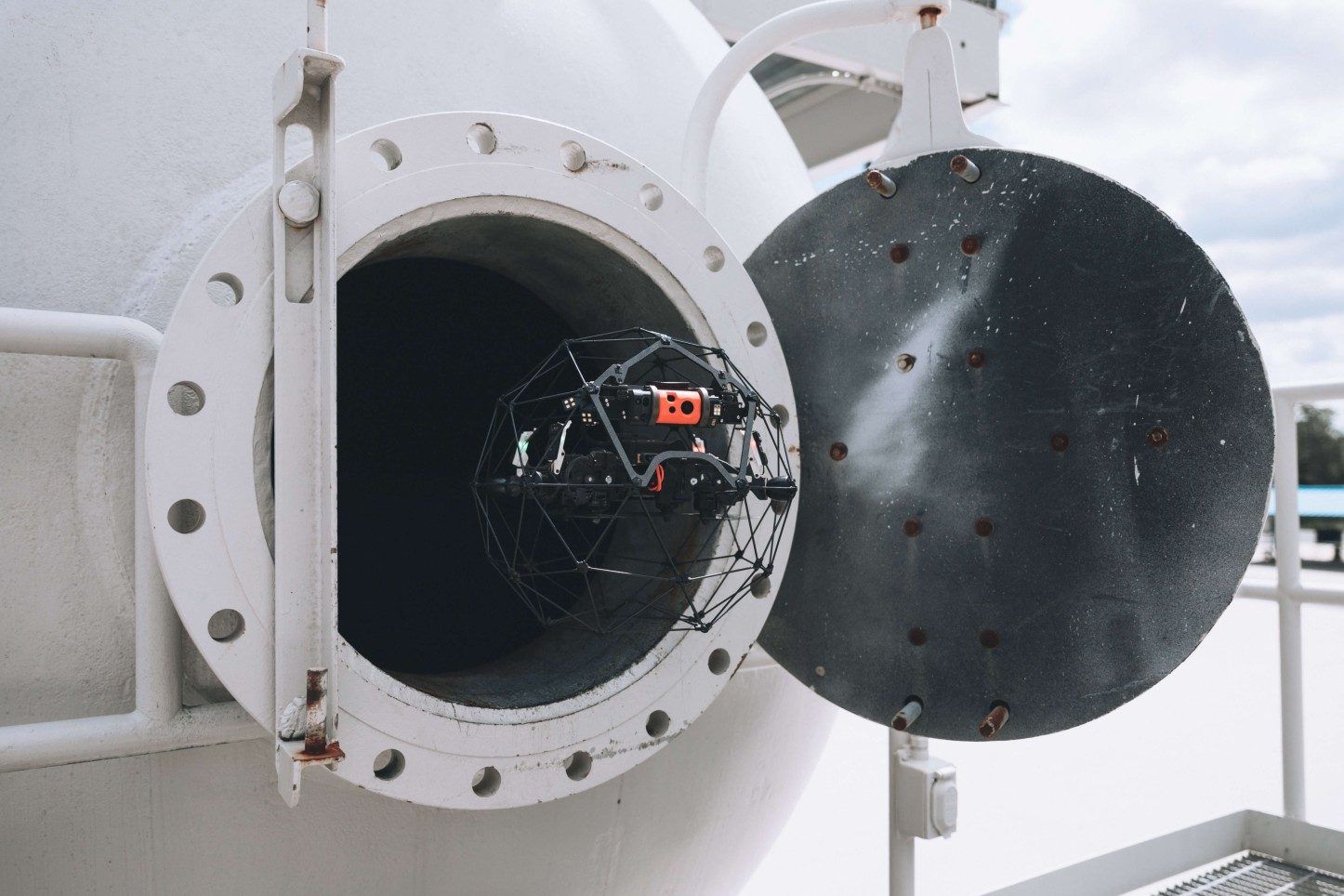
Steinmüller Africa has deployed Elios 3 caged drones to transform industrial inspections at power stations. The new technology allows confined-space and high-risk asset checks with less downtime, reduced scaffolding costs, and enhanced safety — delivering high-resolution visual and mapping data that help operators make faster decisions while mitigating outage risk.
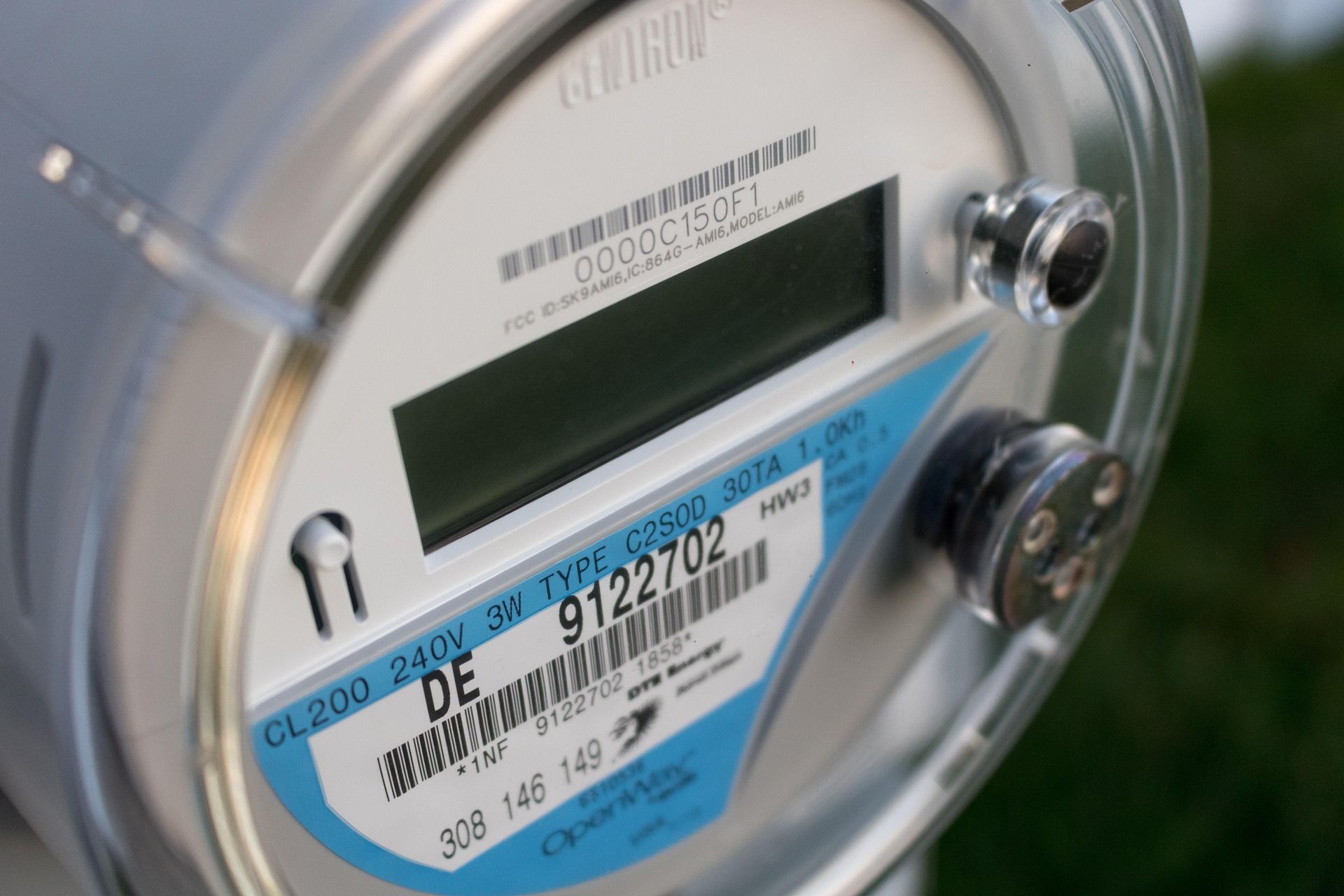
Ghana Water Limited’s new use of drone technology for meter reading in flood-prone communities such as Tetegu, Greater Accra, is transforming billing accuracy, operational safety, and disaster preparedness. The pilot, documented in an ASRIC study, demonstrates how unmanned aerial vehicles can dramatically reduce labour time and improve revenue protection, offering a roadmap for broader adoption across Ghana’s utilities sector.
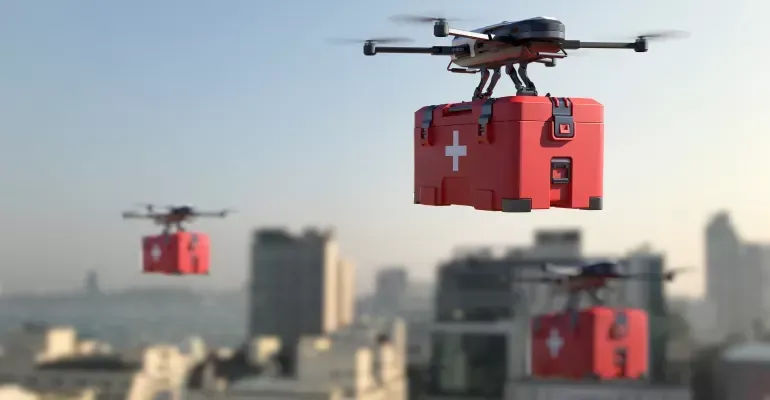
A 2025 white paper shows Africa’s drone healthcare logistics initiatives have slashed delivery times by up to 85% and reduced spoilage by about 70%, revolutionizing access to medicines and emergency supplies in remote regions.

The European Space Agency (ESA) has successfully launched its new Biomass satellite — the first mission to use P-band radar from space to pierce dense forest canopies and measure global forest biomass. Early data and imagery are already highlighting the mission’s potential to transform how scientists monitor carbon storage, with a special focus on tropical regions including Africa’s critical forests.
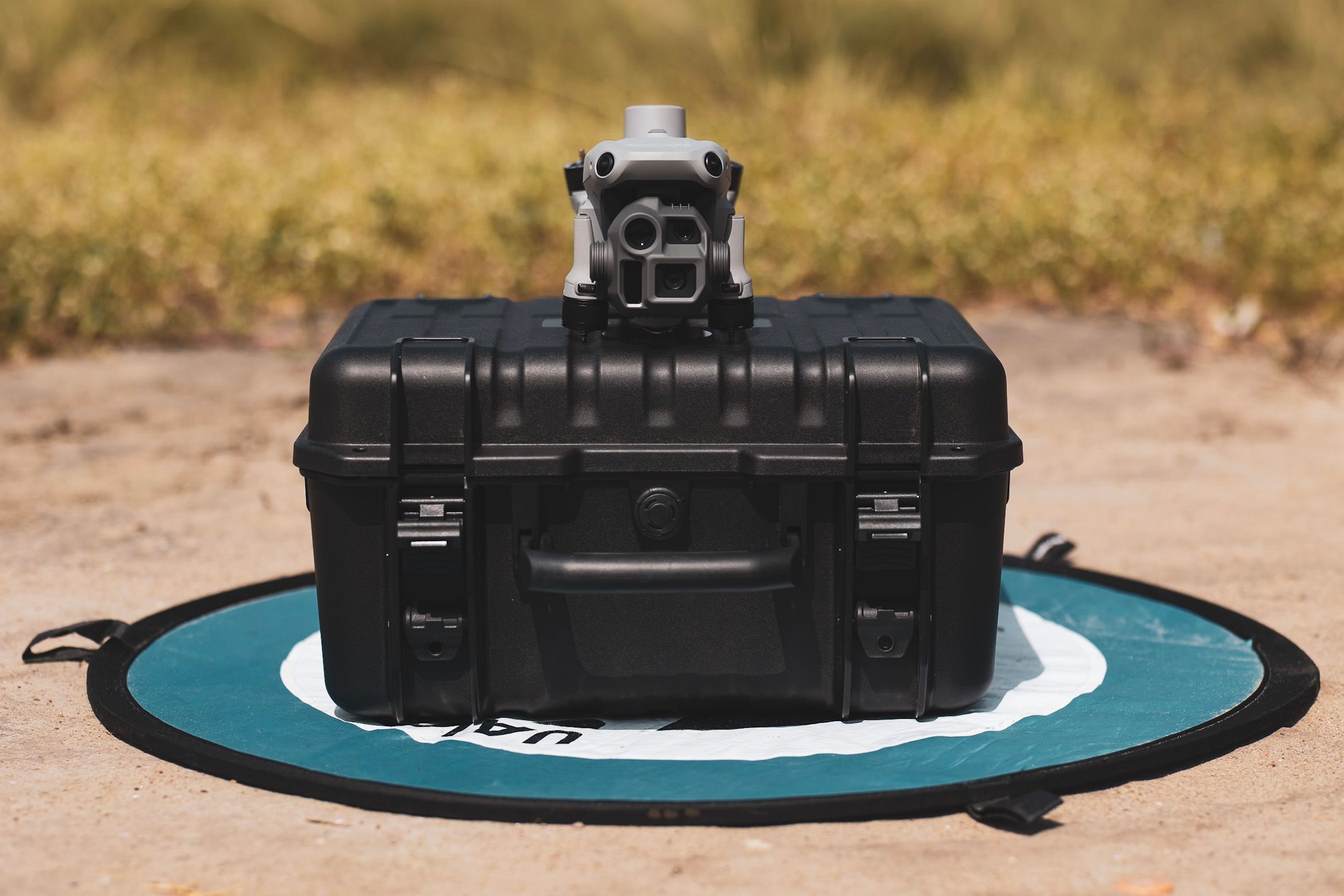
A regional coastal resilience initiative in West Africa is turning to drone technology and satellite data to strengthen climate adaptation infrastructure. Under the WACA-VAR project, aerial surveys conducted in Ghana and Senegal are improving coastal protection planning by mapping beach topography, bathymetry, and erosion-control structures with high precision.
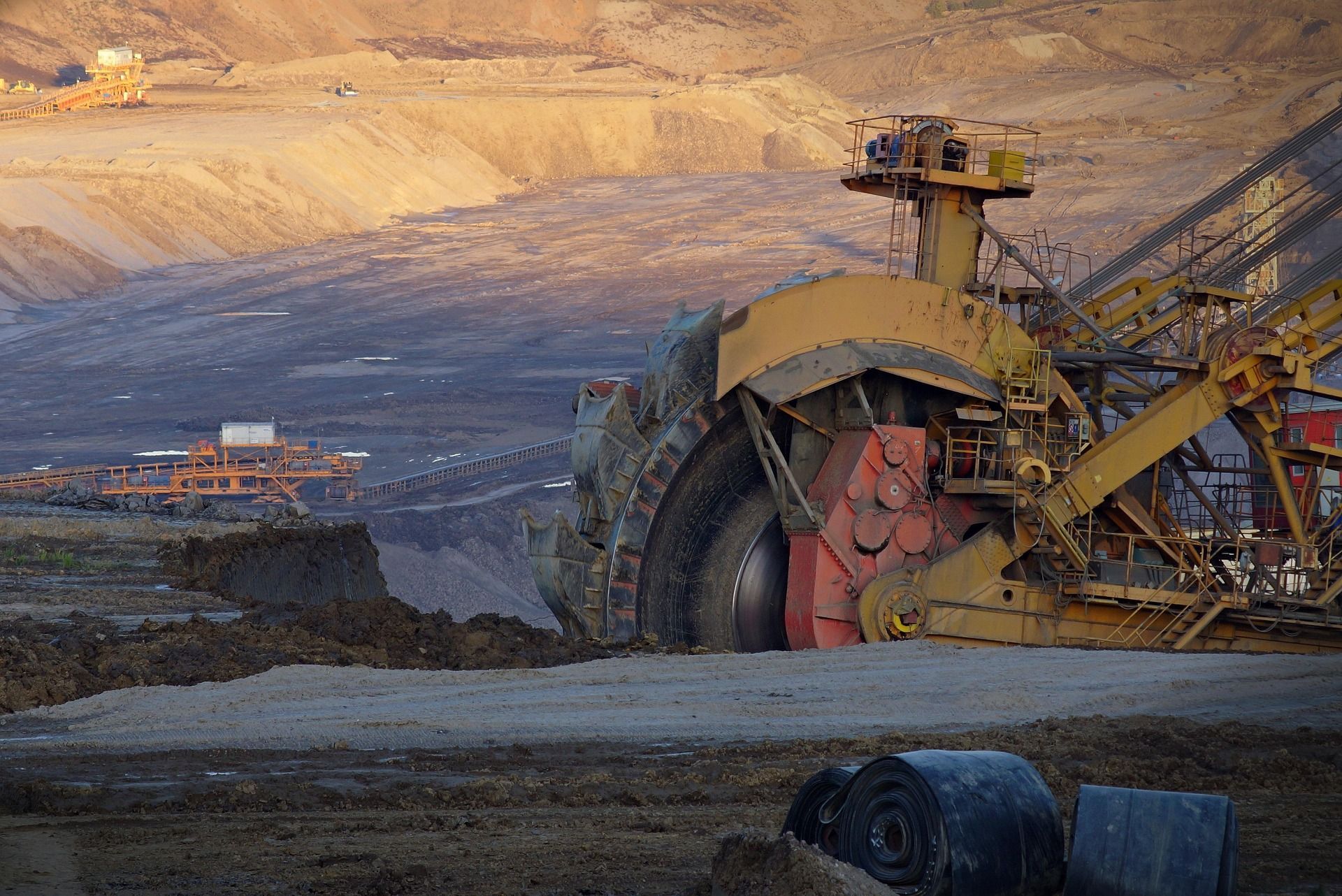
Africa’s mining industry is rapidly increasing its adoption of drone technology, with UAVs now deployed for stockpile surveys, terrain modelling, and underground inspections. In the Democratic Republic of the Congo, some mine sites operate fleets of up to five drones daily, improving safety, efficiency, and data accuracy across operations.
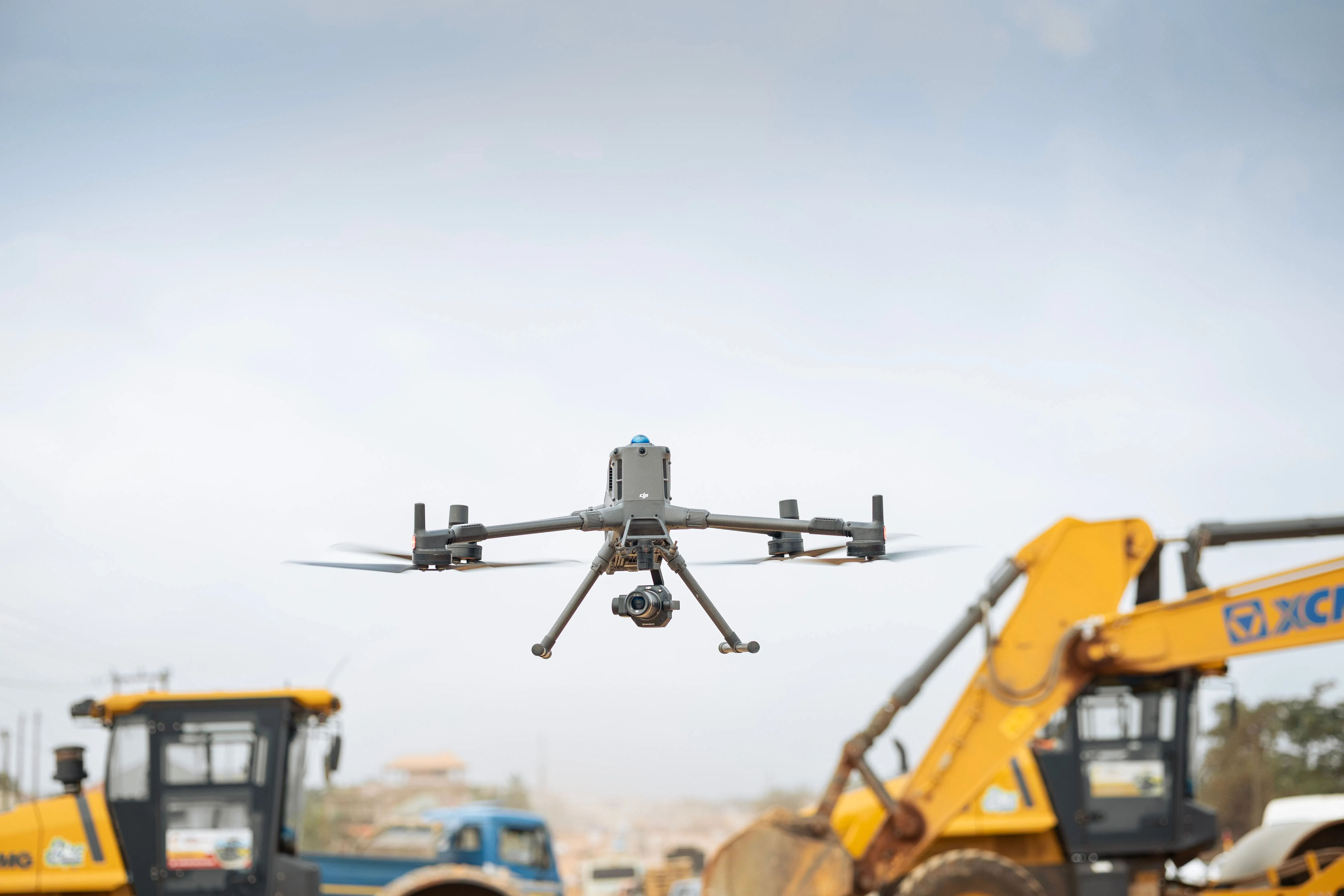
Drones and satellites are both used to take pictures, measure land, and assist people in planning large projects. However, when it comes to detailed site work, such as mapping, inspecting buildings, or tracking changes on the ground, drones are often the better choice.
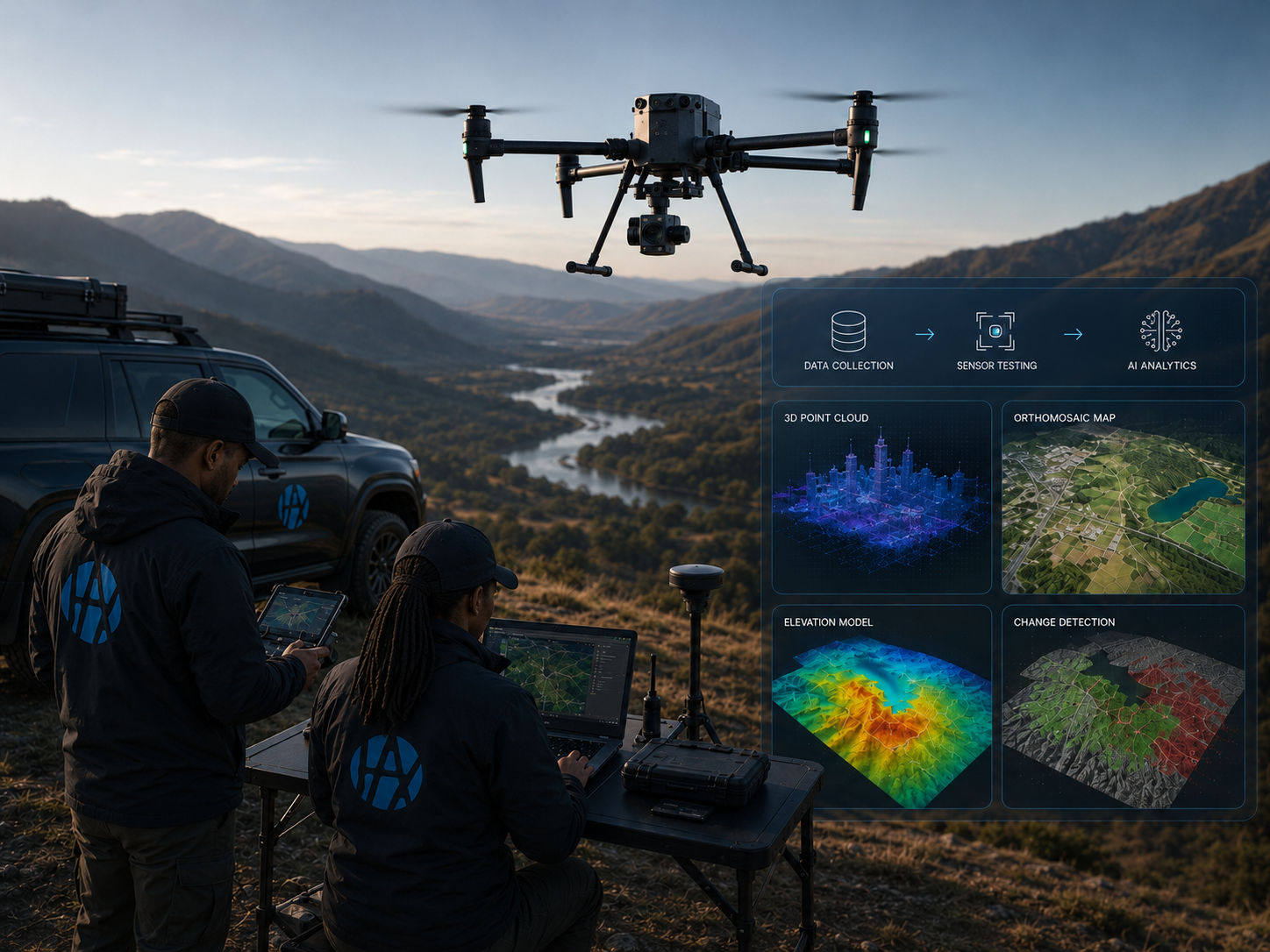
Unsure about Africa's drone laws? This comprehensive guide breaks down the complex regulations across the continent, from South Africa's stringent drone policies to DR Congo’s near-open skies regime. Learn about licensing, no-fly zones, and key compliance tips to ensure your commercial drone operations are safe, legal, and successful.
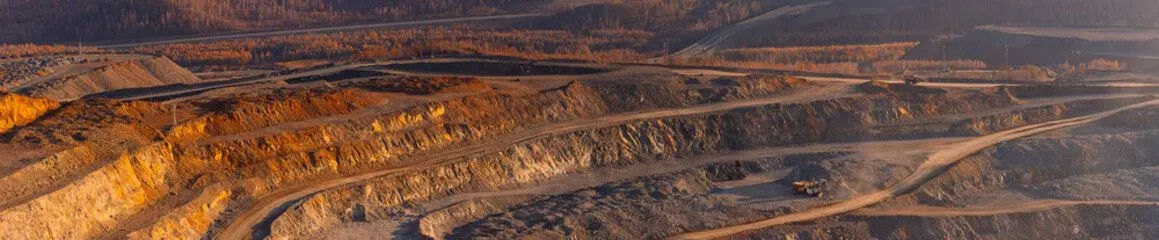
Small errors in geotechnical monitoring, road maintenance, or stockpile management can result in injuries, landslides, equipment damage, or operational shutdowns. For this reason, modern mines increasingly rely on remote sensing tools to eliminate unnecessary human exposure to danger.
The drone market in Africa is growinga rapidly. It is estimated to reach $9.26 billion by 2030 from $1.77 billion in 2025. Meanwhile, drones in Nigeria could contribute over $2 billion to the economy a year by 2025b. Already in South Africac, drones are helping to significantly boost employment in agriculture, health, mining, and more.

 Featured Article